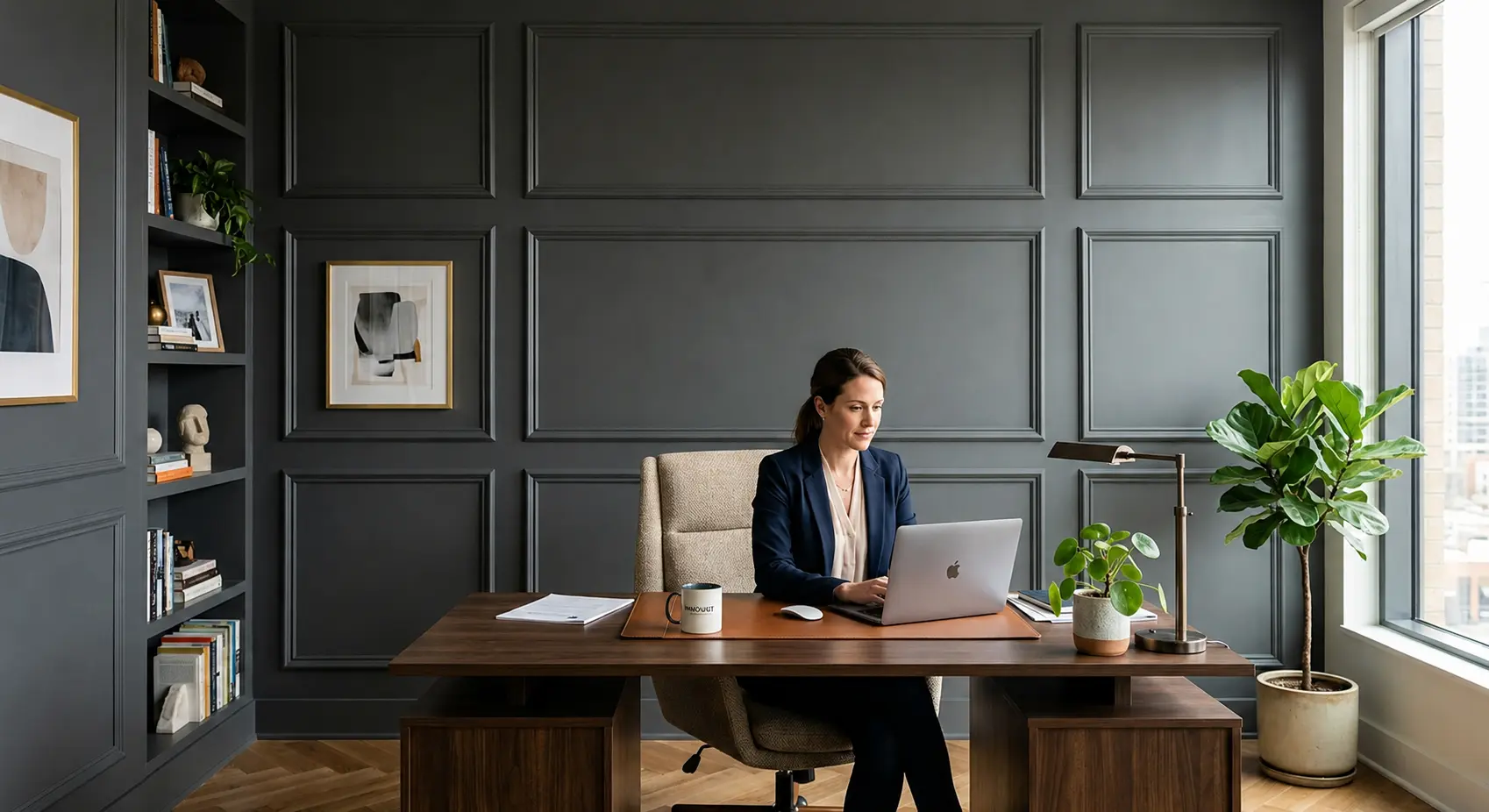
The Future of the Workplace: 10 Ideas of Conference Room Interior Design for Better Collaboration
In the modern corporate world, the soulless conference room is officially a relic of the past. As we navigate our way through to 2026, the office has gone from a place you “had” to be to a place you actually want to be, because now it’s all about connection and creativity. And to get there, you need a solid plan for conference room interior design that moves away from drab tables and towards spaces that get your creative juices flowing and trigger that sweet dopamine hit that comes from being in the zone.
Doing interior design ideas for conference rooms right boils down to putting the human element first. Whether your team is hammering out the next big tech breakthrough or just trying to get those quarterly KPIs figured out, the space needs to be a spark – not a roadblock.

The Strategic Importance of Conference Room Interior Design
In today’s corporate landscape, the surroundings – the physical environment – play a huge role in every brainstorm, every negotiation & every strategic pivot. With the shift to hybrid work models, the quality of in-person interactions has become super important. So meeting room interior design is no longer just about making it look good – it’s about performance engineering. When your team walks into a room, the lighting, acoustics & that flow feel right away start influencing their moods.
If the room feels cramped or like a sterile box, the ideas that get tossed around will more than likely be stuck in neutral & pretty conventional. But when you implement some forward-thinking modern interior design for conference rooms, you get to break down those invisible barriers to communication. A well-designed room sends a message to employees that you value what they bring to the table & that the company actually cares about their comfort and mental clarity.
1. Bringing the great outdoors in with Conference Room Interior Design
The whole idea of “bringing the outdoors in” was a trend once, but it’s now a necessity. The science on “Restorative Environments” shows that even a brief glimpse of nature can do wonders for your stress levels & get your attention span fired back up. So, in terms of interior design, conference room – that means moving past just slapping a potted plant on a table.
The magic of greenery
Living walls – those hydroponic systems where plants can just grow straight up – that’s a great place to start. And it’s a 2-fer because they clean the air out, taking away all those nasty VOCs that build up in enclosed office spaces. When you’re brainstorming about biophilic interior design ideas for conference rooms – think “moss art” – that way you get all the visual benefits of greenery without all the fuss of keeping it watered.
Light – it’s not just for seeing anymore
And then there’s natural light – that thing we all tend to forget about when we’re stuck indoors. Architects are now getting pretty creative with these “light shelves” to bounce sunlight way down into the floor plate. And in rooms where you can’t get any windows, meeting room interior design needs to utilise these tunable LED systems. These things mimic the sun’s colour temperature – shifting from a nice crisp morning blue-white to a warmer afternoon’s amber to keep the team on natural circadian rhythms.
2. Flexible Zoning for Dynamic Conference Room Interior Design
Meetings aren’t static affairs anymore – they can change direction in a flash. One minute it’s a presentation, the next a workshop – and then it’s all wrapped up with a quick rundown. And the last thing you want is to be held back by fixed furniture. That’s why conference room design just has to be adaptable.
Furniture That Can Keep Up With the Meeting
Getting the room set up for different activities shouldn’t feel like a chore. Flexible furniture – like tables that can be flipped over and chairs with casters that can be wheeled about – makes it a breeze to rearrange the space in no time. Teams can effortlessly shift from presentations to group discussions or brainstorming sessions without missing a beat. When you’re thinking about flexible conference room layout ideas, look for furniture that can do double duty. For instance, a storage ottoman can also serve as extra seating if more people join the session – it’s the perfect way to make the space both practical and team-friendly.
Creating Intimate Spaces That Work
Big conference rooms can be a bit of a letdown when there aren’t that many people using them. Top-notch conference room design makes use of what I like to call “soft architecture” – like heavy curtains or movable glass partitions – to shrink or expand the space as needed. This way, the energy of the meeting isn’t getting lost in a cavernous space.

3. Creating Better Acoustics in Modern Meeting Rooms
Sound can make or break the office experience. And yet, it’s often the last thing on people’s minds – until it becomes a real problem. Great modern meeting room design treats sound as a fundamental element of the space – not an afterthought.
Too many hard surfaces (like glass, concrete, or metal) can create an echo chamber effect. Designers now use elements such as felt-wrapped ceiling baffles and 3D wall tiles to absorb excess sound and improve acoustics.
The Secret to a More Private Office
In open-plan offices, privacy is always a challenge. High-end conference space interior design often includes sound masking systems, which are basically emitters that pump out a constant, low-level background hum that drowns out human conversation. It’s like having a digital cloak of invisibility – and it’s a key feature of top-notch corporate meeting room design.
4. Smart Technology for Modern Conference Rooms
In a world where tech is everywhere, the real challenge is making it disappear when it’s not needed. The ultimate goal of modern meeting room design is to remove all the obstacles – in other words, the ‘friction’.
Seamless Connectivity
Gone are the days of hunting for a dodgy dongle. Integrated wireless casting and under-floor power are essentials now. When you’re planning a tech upgrade for a conference room, focus on making everything as simple as possible – one-touch controls for lighting, climate, and AV through a single interface – either built-in to the furniture or on the wall.
The Virtual Window
In a global team world, modern interior design for conference rooms needs to be able to handle the ‘tele presence’ experience. So that when you’re connecting with a team on the other side of the world, you feel like you’re just chatting to someone on the other side of the glass.
5. How Color Psychology Influences Meeting Room Design
The walls in your conference room are constantly sending signals to your employees’ brains – and modern conference room design is all about using color to drive specific business results.
The Real Deal on Color Palettes
- Trust and Logic: Blue and Teal shades tell your employees and guests that it’s time to focus on the hard stuff – like financials or legal reviews. These are a great fit for high-stakes discussions.
- Safety First: Warm Neutrals like soft terracottas or toasted almonds give everyone a sense of security. These are perfect for HR discussions or one-on-one coaching sessions where people need to open up.
- Vibrancy and Creativity: A well-placed pop of Yellow – whether it’s citron or mustard – can really get those creative juices flowing during brainstorming sessions. Just be careful not to overdo it – too much yellow can be overwhelming and even cause anxiety.
6. Hybrid-Equity Layouts in Conference Room Interior Design
Conference room design used to be all about putting the spotlight on the table’s ‘head’ man – but not anymore. There’s been a revolution in the way we design conference rooms, thanks to the concept of ‘Hybrid Equity’ – but what exactly does that mean? Simply put, it’s about making sure remote participants are treated with the same level of attention as people right there in the room.
Where are the Best Seats in the House?
If you were to walk into a traditional boardroom, you’d probably spot the CEO glued to the head of the table. Not anymore, though. We’re ditching the old style for a more ‘cinematic’ or ‘U-shaped’ seating arrangement – with everyone facing the big screen and camera. That way, everyone’s face is nicely visible for the remote audience, and it’s a heck of a lot easier to pick up on all those little non-verbal cues that say so much.
The Mystery of the Voice in the Dark
Conference room design has had a major upgrade of late, and that includes speakers that pinpoint the location of a person in the room. So if someone pipes up from the left side of the screen, their voice will come blasting out of the speaker on the left side of the room – just like a normal conversation. It’s a total game-changer, especially for those big meetings with remote participants.
7. The “Resimercial” Approach to Conference Room Interior Design
Blurring the lines between work and home – that’s what it’s all about these days, and one of the key ways we’re doing that is by making conference rooms just as comfy as living rooms. That’s the idea behind Resimercial – bringing home into the corporate suite.
The Comfort Factor Matters
No more cold, soulless ergonomic chairs for us. Today’s conference room design is all about adding some real comfort to the space. Think big, comfy lounge chairs with proper lumbar support, and throw in some soft textures like wool, velvet, or leather (and don’t forget the vegan alternatives).
Create a Cozy Vibe
Add in some ambient elements like a library wall, a high-end coffee station, or even a digital fireplace, and you’ve got a conference room that feels like a living room. This kind of space really encourages people to linger and collaborate – the kind of collaboration that often leads to great breakthroughs.
8. Interactive Walls for Collaborative Meeting Spaces
Ideas shouldn’t get locked away on a notepad – they need to be shared & interacted with. In a truly collaborative meeting room interior design, the walls themselves become a tool for bringing people together.
From Floor to Ceiling Thinking
These days, modern whiteboard paint and magnetic glass panels let us brainstorm 360 degrees. For more tech-savvy companies, super-efficient and low-energy LED ‘digital wallpaper’ can display real-time data visualizations or project roadmaps. When brainstorming interactive conference room design ideas, think about how the room can ‘catch’ the data created during the meeting so it can be sent to participants later.
9. Your Company’s Soul in Conference Room Interior Design
Your office is the physical expression of what your brand is all about. A meeting room interior design should express the company’s values in a way that doesn’t need words.
Storytelling Through Your Design Choices
If your company is all about being open and transparent, use glass walls with some seriously good acoustic properties. If you’re a heritage brand, use traditional materials like brass and dark oak – but in modern, sleek shapes that keep things fresh. These design ideas for conference rooms that focus on your brand will keep the team connected to what you’re all about every time they sit down to work.
10. Uninterrupted Calm in Conference Room Interior Design
In a world where notifications and distractions can feel overwhelming, a ‘calming zen’ conference room is just what you need to unwind – a space where your team can breathe a little easier. This style of collaborative meeting room design is all about keeping things simple and letting ‘less is more’ be the guiding principle.
Eliminating Visual Clutter
The key to a minimalist room is clever storage – so all those pens, cables, and remotes get tidied away in cupboards that are cleverly disguised. With these minimalist conference room design ideas, you create a space that feels super calm and focused. And without all that ‘visual noise’, your team can concentrate entirely on the task at hand, making it the ultimate space for collaboration.
Moving Towards Sustainability in Conference Room Interior Design
In a few years, being ‘luxurious’ is going to mean being ‘sustainable’. And when it comes to boardroom interior design, that means choosing materials that are good for the environment – it’s the new moral imperative.
- Materials with a mission: Think reclaimed flooring made from old fishing nets, or furniture that’s been crafted from agricultural waste that would otherwise be chucked in a landfill.
- Energy Efficiency: Using occupancy sensors to automate the lighting and screens so they turn off when no one’s in the room, and you might even make a few bucks on your energy bills.
- Long-lasting style: Go for things that are well-made, timeless, and won’t end up in landfill within a few years – that’s the future of design.
By focusing on sustainable interior design ideas for conference room rebuilds, companies not only make a positive difference to their carbon footprint but are also more likely to attract a younger workforce that cares deeply about looking after the planet.
The Role of Lighting Layers In Conference Room Interior Design
Lighting’s no longer just about flicking a switch – it’s a key part of how people feel, work, and interact with the space. In forward-thinking collaborative meeting space interior design, lighting is seen as a dynamic system that does so much more than just light up a room.
Task, Ambient, and Accent Lighting – the magic happens when it’s all balanced
A well-designed conference room combines the 3 essential lighting elements:
- The gentle glow: This is your base illumination, usually achieved with ceiling lights and some LED strips. It gives the room a nice light without harsh glare on screens.
- The task-specific light: Focused lighting that helps with specific jobs, like reading documents or writing notes. Table lamps or spotlights that can be moved around to suit what’s on the agenda.
- The wow factor: Used to highlight architectural features, branding, or textured walls. This layer adds some real visual interest to the space, making it feel more curated and less corporate.
By combining these layers, conference room design becomes adaptable to any type of meeting format – from formal presentations to casual brainstorming sessions.
Lighting that’s designed with people in mind
More and more offices are adopting human-centric lighting systems that mirror our natural biological rhythms. These systems change the brightness and colour temperature throughout the day:
- Morning: Bright, cool light to forget people firing on all cylinders
- Afternoon: Neutral tones to keep people focused for longer
- Evening: Warm light that encourages people to chill out
This approach boosts cognitive performance and reduces fatigue – making it a key component of forward-thinking interior design ideas for conference room environments.
Ergonomics and Wellness: The Secret to Conference Room Interior Design
While an interior design conference room is all about aesthetics, don’t forget that ergonomics is the real backbone of a room that actually works. A stunning room that makes people uncomfortable is just a waste of space.
Seating That Doesn’t Kill Productivity
Ergonomic seating is basically a must-have. Adjustable chairs with some actual back support, breathable materials, and armrests that don’t pinch will keep your meeting-goers from checking out after 20 minutes. And if you’re going for that whole ‘relaxed’ vibe, you can still get good support from lounge seating while still encouraging some creativity – and maybe even a few watercooler chats.
Movement-Friendly Design
Sitting around a table all day is so over. Getting some movement into Collaborative meeting space design is basically a no-brainer:
- A sit-stand desk or two for flexibility
- Open floor areas where people can just wander over and chat
- A standing zone for when you need to brainstorm something in 5 minutes flat
Movement is good for your health, creativity, and basically any kind of collaboration.
Smart Storage Solutions in Conference Room Interior Design
Clutter is basically the enemy of every good idea – and modern conference rooms take that pretty seriously. One of the most underrated design ideas for conference rooms is just having some smart storage.
Making Storage Disappear
Modern conference rooms are all about keeping all the practical stuff out of sight:
- Built-in storage for cables and devices, so you’re not tripping over wires
- Conspicuously hidden compartments in the furniture, so you can just stash your stuff and be done with it
- Wall panels that double as storage, so it’s all just one elegant piece
It’s not just about looking good – it’s about being able to get started on time, without having to waste 10 minutes finding that missing document.
Digital Decluttering Too
Storing things digitally is just as important – and can be a real sanity-saver. Automatic saving of meeting notes, recordings, and whatnot means you’ll never have to deal with that “where did I put that document” headache again.
The Future Outlook of Conference Room Interior Design
As we all get used to working in a hybrid world, meeting room interior design is going to get a whole lot more about ‘making it happen’. The focus is shifting from ‘how’s the room look’ to ‘how’s the room working for me?
Some new ideas that are starting to pop up include:
- AI-powered rooms that can just magically adjust the lighting and everything
- Lighting and sound that can actually read your mood and adjust
- Virtual collaboration spaces that are basically just special VR pods
The next generation of conference rooms is going to be basically a super-smart magic trick – it’ll anticipate all your needs, and just make your life easier from start to finish.
Conclusion: Investing in Collaboration
Workplaces are changing fast. But one thing is clear – if you want to attract and retain talent, you need to be investing in some really good space. At Bluedesign, we believe that getting your conference room interior design just right can create a place where ideas really take off – and never seem to run out of steam. Whether your meeting area is a sleek boardroom or a cozy brainstorming space, the right design can make all the difference.