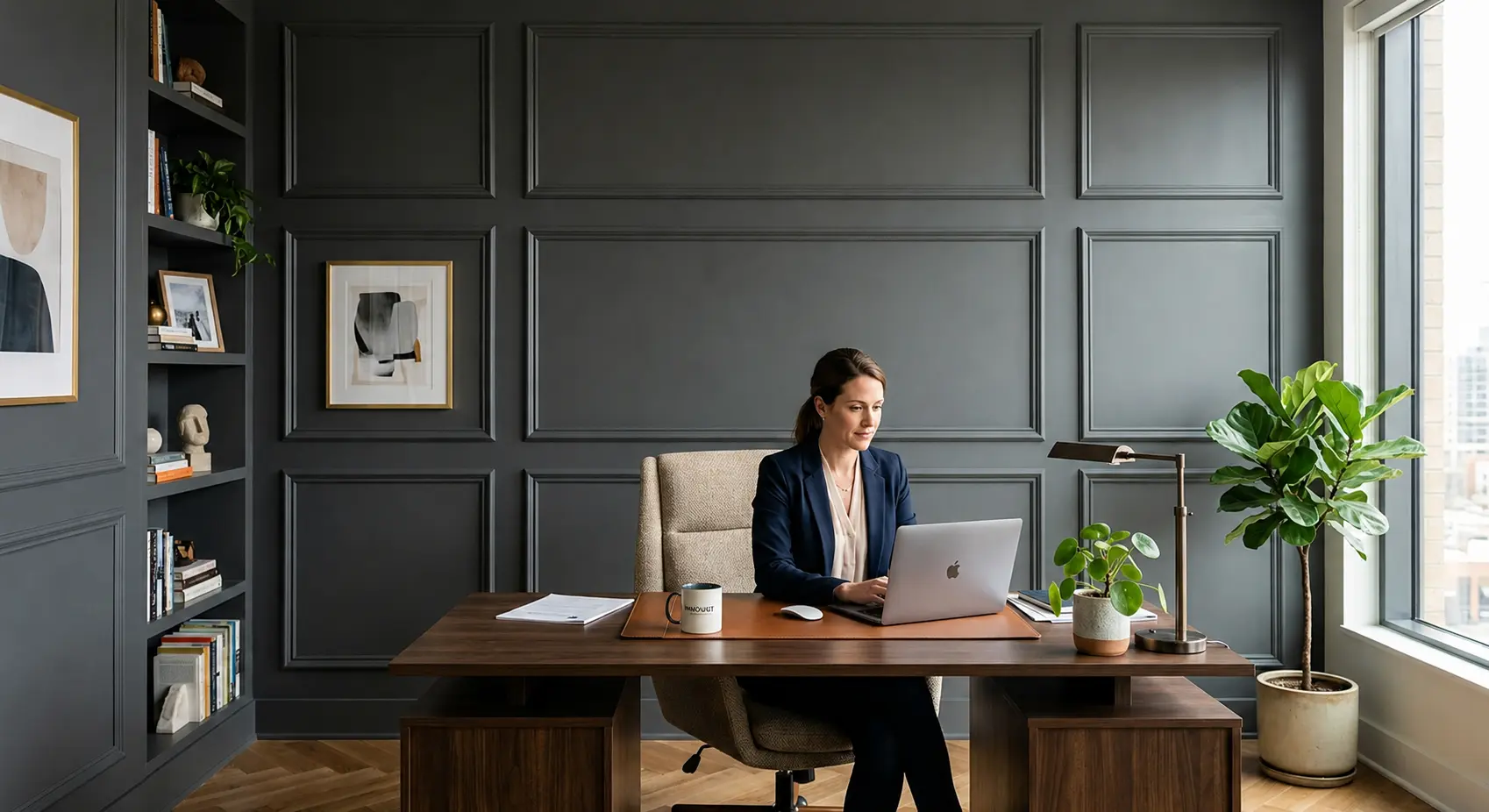
Top 6 Co-working Space Interior Design Ideas (and Why They Matter)
The modern workplace has seen a major shift in recent years. Those old-fashioned office setups are being rapidly replaced by more flexible, collaborative spaces that work for a wide range of people. At the heart of this change is the idea of co-working spaces – dynamic environments that are designed to encourage innovation, networking, and productivity through smart Interior Design for Co-working space.
Now, while the success of a co-working space is of course about the right location and pricing. It’s actually mostly about how well they’ve thought out the design of the place – the layout and all the little details that make it work as a space where people can actually get stuff done. A well thought-out Interior Design for Co-working space strategy makes all the difference – because it brings together everything you need in a way that’s both beautiful and practical.
In today’s madly competitive market, users don’t just want a desk anymore – they want a whole experience. Whether you’re a freelancer, a startup, a remote team or a big corporation, everyone’s looking for a space that sparks creativity & makes it easier to get the job done.
In this detailed guide, we’ll explore the Top 6 Ideas of Interior Design for Co-working Space that can help you create a space that’s not just functional, but also a treat to look at – & one that really works for your users.
Choosing the Right Interior Design Style
Choosing the right design style for your co-working space – it matters
One of the most critical aspects of planning a co-working space is picking the right interior design style. The style you select decides how your space looks and feels, and how it is perceived by the people who use it. In simple terms, it helps define the overall atmosphere and brand identity of your workspace.
The style you choose will not just look good – it will also help you to attract the right kind of people – whether that’s startups, creatives or corporate types. Let’s take a look at some of the most popular interior design styles that are perfect for creating a modern and effective co-working space interior.
1. Modern Minimalist Style – Simple yet Effective
Modern minimalist style is one of the most popular choices when it comes to Interior Design For co-working space. This style is all about simplicity, clean lines and maintaining a clutter-free environment.
A minimalist Interior Design For co-working space usually features a neutral colour palette, sleek furniture and plenty of open space. This style will help to cut out distractions and improve focus.
Why it works:
- It creates a clean and professional space
- It boosts focus and productivity
- It easy to maintain and expand

2. Industrial Design – Edgy and Urban
Industrial design has become very popular in co-working space Interior Design. It’s all about raw, urban feel that gives your space a modern, cutting-edge vibe that appeals to startups and creatives.
Industrial style co-working space Interiors usually include elements like exposed brick walls, metal fixtures and unfinished textures.
Some of the key elements to consider when going for an industrial look are:
- Exposed ceilings and ductwork
- Concrete floors
- Metal and wood combinations

3. Biophilic (Nature-Inspired) Style – Bringing the Outdoors In
Biophilic design is another growing trend that’s really taking off in Interior Design For co-working space. This style draws inspiration from nature and incorporates natural elements into the space to boost well-being.
A biophilic co-working space interior will include plenty of greenery, natural light and organic materials.
The benefits of this style are:
- It helps reduces stress
- It boosts creativity
- It improves air quality
4. Scandinavian Style – Cozy yet Professional
Scandinavian design focuses on simplicity, functionality and a warm, welcoming feel. It is a great choice for a co-working space as it creates a cozy yet professional environment.
A Scandinavian co-working space interior often uses light colours, natural materials and minimal decor.
Why Scandinavian style works:
- It creates a welcoming atmosphere
- It allows plenty of natural light inside the workspace
- It balances style and functionality

5. Collaborative Style – Encouraging Interaction
If you’re looking for a style that encourages collaboration and interaction then this is the one for you. It’s perfect for Interior Design for co-working space.
Collaborative co-working space Interiors often feature open layouts, informal seating and vibrant colours to encourage communication and teamwork.
Some of the key features to consider are:
- Open lounge areas
- Flexible seating
- Interactive spaces

6. Corporate Luxury Style – High-End spaces
For premium co-working spaces, corporate luxury style is an excellent choice.
A luxury Interior design for co-working space includes high-end materials, sophisticated lighting and elegant finishes.
Corporate Luxury Style is ideal for:
- High-end clients
- Enterprises
- Executive workspace

Choosing the Right Style for Your co-working space
So how do you choose the right design style for your co-working space? It all comes down to a few key things:
- Who is your target audience?
- What’s the location and market positioning?
- What does your brand identity look like?
- What’s your budget
A successful co-working space is all about combining multiple styles to create a unique and balanced environment.
In the end, it’s not just about choosing a single style. It’s about finding a balance between functionality and aesthetics. Whether choosing minimalist, industrial or biophilic design, the idea is to create a co-working space interior that’s both beautiful and functional.
1. Interior Design co-working Office with Flexible Layouts
Flexibility is the key to the new breed of modern interior design for co-working office spaces. Unlike your average office that has to stick to a rigid layout, these co-working spaces need to accommodate people with different work styles, all in one space.
Creating a well-planned co-working space interior is all about making it easy to switch between individual work, team work, and unwinding.
Getting to grips with flexible layouts
Flexible layouts are just what they say they are – spaces that can be easily adjusted to suit whoever needs to use them. Think about it, a freelancer will want a quiet spot to themselves, whereas a small business looking for a team space will need a big open area to work in and guess what, you don’t need to tear the place apart to make it work.
Key elements to flexible layouts
- Modular furniture which can be moved around to suit whoever needs it
- Movable walls – think of them like furniture on castors – just slide ’em around to the right spot
- Hot desks and dedicated desks – so you can work wherever you feel like it
- Meeting rooms that can be switched up easily – think of them like blank canvases
So what’s the benefit of flexible layouts?
A flexible Interior Design for co-working space just makes sense. It uses up every bit of space effectively and more importantly, makes everyone who uses it feel at home. Plus it’s like the ultimate trump card for businesses – it means you can adapt super fast to whatever changes come your way.
And another thing – all that flexibility encourages people to chat with each other, and who knows, a little bit of co-working magic just might create a real sense of community – one of the original benefits of co-working spaces.

2. Bringing the great outdoors in – Biophilic Interior For co-working space
Biophilic design has become a popular trend in modern Interior Design for co-working space. It’s all about bringing a bit of the outdoors into the office to keep people feeling happy and productive.
A co-working space with a bit of nature in it not only looks good but also makes everyone feel like they can finally take a deep breath – it’s like a big hug from the universe.
What even is Biophilic Design?
Biophilic design simply means connecting people with the natural world through the use of plants, natural light and organic materials in a space like an office.
In a co-working space interior, that might mean having loads of plants or green walls – or just opening up the windows to let in all the sunlight you can get.
Key features of Biophilic Design
- Loads of plants and vertical gardens – just give it a go and see how everyone reacts.
- Big windows to let in natural light and fresh air – get creative and figure out a way to draw the eye outside.
- Natural textures like wood and stone – they just make a space feel more natural.
- Water features or decor that just happens to be inspired by the natural world.
So what’s the impact all this has on users?
Research has shown that being around all that greenery, natural light can help reduce stress, improve focus and even give you that little bit of extra creativity you’ve been missing.
Let me give you an example
Imagine a big central courtyard in a co-working space, with loads of work stations all around it. It’s a great way to attract people to the space, and they’ll be really happy to be there – it’s just a win-win.

3. Following zoning Concept for co-working space interior
Zoning – the Key to Effective Interior Design for co-working space
Zoning in Interior Design for co-working space is all about dividing the workspace into functional areas that let users get down to business without any distractions getting in the way.
A really well-zoned co-working space interior gives you dedicated areas for different activities and that really helps boost overall usability.
Types of Zones You’ll Find in a co-working space
- Quiet Zones – good for deep focus work and individual projects where you really need to concentrate
- Collaboration Zones – perfect for team meetings, brainstorming sessions and getting stuff done in a team
- Social Zones – a place to network, relax and maybe even make some new business contacts
- Private Cabins – these are ideal for confidential meetings where you really need to keep things under wraps
How Designers Make Zoning Work in a co-working space Interior
To get zoning right in an Interior Design for co-working space, designers use all sorts of tricks and techniques – including:
- Different lighting levels to create different moods
- Those acoustic panels you see everywhere – to keep noise levels down
- Mixing up the colours to create a more interesting space
- And, of course, how you arrange the furniture to create a nice flow through the space
Why Zoning is Such an Important Part of co-working space Design
If you don’t get zoning right, your workplace can end up feeling chaotic and just plain disorganised – none of which is very good for productivity. But when you get it right, users can pick the right environment to suit whatever task they’re working on.
The Benefits for Users of a Well-Zoned co-working space Interior
A well-zoned Interior Design co-working office space is all about user experience – it makes your users feel more at ease, more productive and more comfortable with a workflow that’s efficient and streamlined.

4. The Role of Smart Technology in Modern co-working spaces
Technology has become a key part of modern Interior Design for co-working space. A tech-enabled co-working space interior can really improve the convenience, efficiency and overall user satisfaction.
Smart Features to Look Out for in a co-working space Interior
- Fast Wi-Fi and charging points, because who doesn’t need those?
- Smart lighting and heating, so you can keep your space just right
- App-based systems for managing meetings and rooms
- And digital security systems to keep your space safe and secure
The User Benefits of a Smart co-working space
A smart co-working space interior makes user life a whole lot easier – whether it’s booking a meeting room through an app or just adjusting the lighting. It really reduces friction and makes life so much more straightforward.
The Edge That a Tech-Enabled co-working space Gives You
If you can show that your Interior Design co-working space is really connected to the 21st century – then you’re going to attract all the modern startups and professionals who value efficiency and innovation.
Into the Future of co-working space Design
As tech gets even more clever, we can look forward to more and more advanced, AI-powered systems – that adapt to your needs automatically, so users don’t have to worry about adjusting things manually.

5. How a Strong Brand Identity Can Elevate Your co-working space
Branding – it’s a key part of any successful Interior Design for co-working space. And yet, so many spaces neglect to give it the emphasis it deserves. A well-designed co-working space interior should clearly reflect your brand’s personality and values loud and clear.
Why Branding is So Important in co-working space Design
If you get your branding right, you’ll stand out from the competition and create a memorable experience for your users.
Design Strategies That Will Make Your Brand Shine
- Use consistent colour schemes to keep your brand looking on-brand
- Use branding elements in your decorations – so users get the message straight away
- Create a statement wall or some great artwork to really get people talking
- And wow your users with a unique entrance or reception area
Why a Good Looking co-working space Will Get You Social Media Love
If your co-working space interior looks great, users will be snapping photos and sharing them on social media – which will increase your brand’s visibility and get you a whole lot more buzz.
The Emotional Connection Your Users Will Make with Your Brand
A well-branded Interior Design for co-working space makes users feel like they’re part of something meaningful – something that feels authentic and genuine – and that makes all the difference to user retention and loyalty.
Additional Design Strategies for Interior Design co-working space
Elevate your Interior Design co-working space with these advanced strategies
Ergonomic Design
Comfort plays a huge role in any co-working space. You need chairs and furniture that don’t kill your workers’ backs and actually help them stay focused.
Lighting Optimization
Mixing natural and artificial lighting is going to boost your coworkers’ moods. Trust us – it makes a huge difference in a space where people are going to be spending hours
Acoustic Planning
Noise control – that’s key. No one likes working with a bunch of other people on a call all day long. Use sound-absorbing materials to make it peaceful there.
Storage Solutions
Storage is basically everything in a co-working space – you need a place to put all that stuff and still look cool doing it.
Community spaces
Design some social areas there and watch how much more everyone chats and collaborates. It’s basically free marketing when people just happen to meet & greet
Importance of Interior Design co-working space in Business Growth
A Well designed Interior Design co-working space does way more than just look nice – it actually makes your business better.
Key Benefit’s
- More clients will want to come & hang out at your place
- people are way less likely to leave if they love it
- your team actually gets more done when they’re not worried about their chairs
- your brand looks amazing & on point.
Common Mistakes to Avoid in Interior Design co-working space
co-working space Interior Design Mistakes to Avoid
When designing the interior of a co-working space, ditch these common mistakes:
- Don’t cram too much into the space – it’s overwhelming for users and makes the place feel cramped
- Forget about making users’ comfort a priority – it’s crucial to their work experience
- Get the lighting and air circulation completely wrong – it can negatively impact user productivity and overall well-being
- Forget to include private areas for users to focus and work – it’s a basic necessity these days
- Don’t try to have a hundreds of different design schemes going on at once – it just ends up looking messy and confusing
By avoiding these pitfalls, you’ll end up with a co-working space interior that genuinely succeeds at being both functional and appealing.
Future Trends in Interior Design co-working space
The future of workspace looks like it will be all about adapting to changing work trends.
Emerging Trends in co-working space Design
- Hybrid workspace are going to change the way we think about work environments – flexible workspaces are on the rise
- We’ll be focusing more on sustainable and eco-friendly designs – it’s no longer just a ‘nice to have’
- Wellness-focused interiors are on the horizon – users want to feel good in the spaces they work
- AI is going to start playing a big role in workspace management – it’s an opportunity to boost efficiency and productivity
Staying on top of these emerging trends is the key to ensuring your co-working space interior stays relevant and useful.
Conclusion
A well-designed co-working space plays a huge role in determining the success of a business. By implementing these Bludesign’s 5 ideas for co-working space, you can create a workspace that both inspires and supports its users.
A well planned interior design co-working space strategy is not just about aesthetics – it’s also about getting users to be more productive and satisfied with their workspace. From layouts that can adapt to changing needs and biophilic design to zoning, integrating technology and branding – each element contributes to making a space that genuinely works for everyone.
In today’s competitive marketplace, it’s no longer a nice-to-have, but a must to invest in a high quality co-working space interior – it’s what sets the best workspaces apart from the rest.