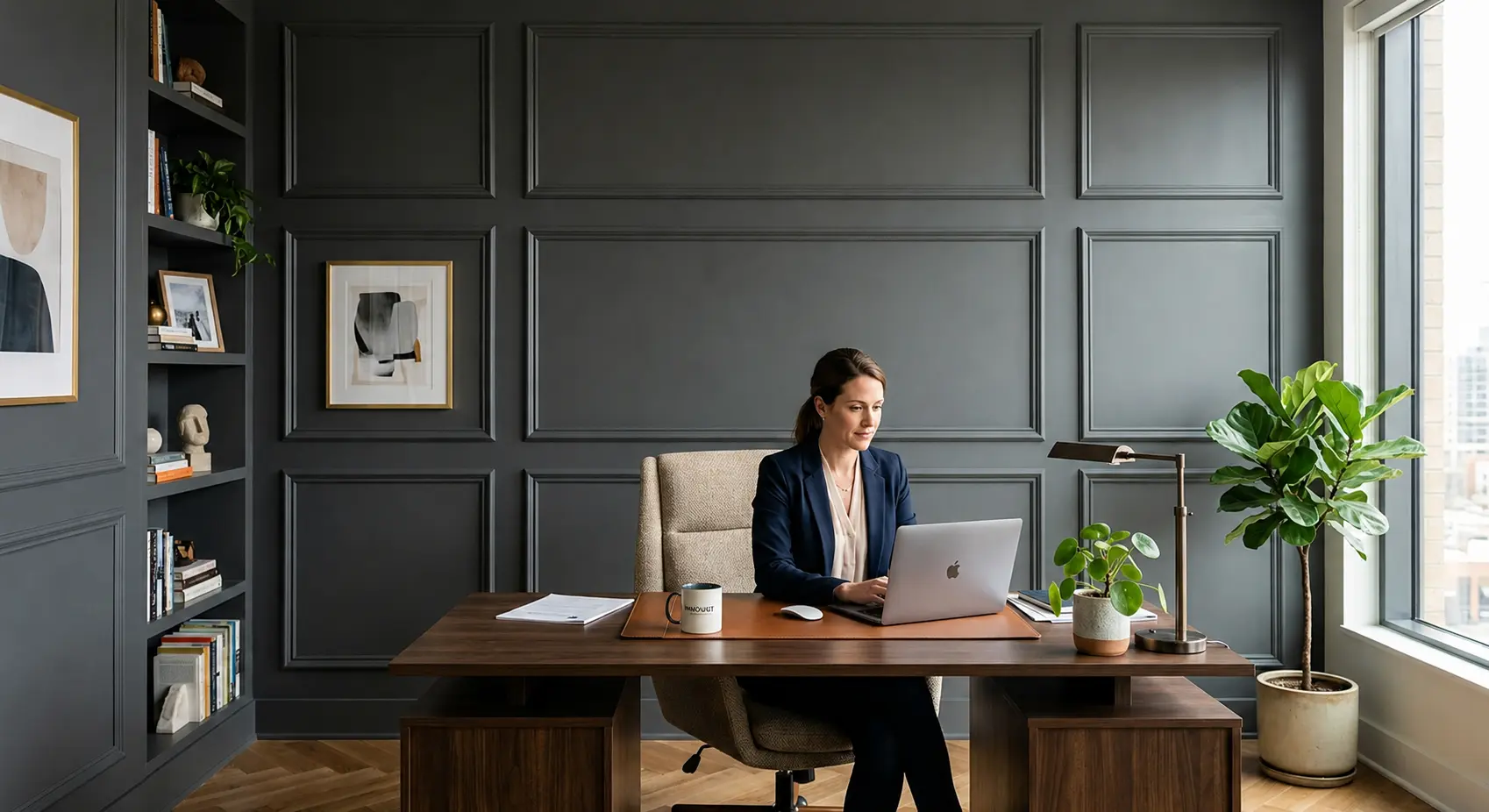
Interior design is entering a golden age — an age where creativity meets technology, where comfort meets consciousness, and where imagination shapes the spaces we live, work, and dream in. The world is changing faster than ever, and design is at the heart of this transformation. The future of interiors is not just about how things look — it’s about how they make us feel.
Designing for the Human Experience
The next generation of interior design goes beyond aesthetics — it’s about crafting experiences. The modern designer no longer asks, “How should this room look?” Instead, they ask, “How should this room feel?”
Human-centered design focuses on comfort, emotion, and connection. Soft lighting, natural materials, and flexible layouts bring balance into busy lives. Spaces are now built to calm, inspire, and energize. The design of tomorrow is deeply personal — built around people, not objects.
Technology Becomes the New Tool of Creativity
In the future, technology won’t replace creativity — it will enhance it. Designers are already using AI, augmented reality (AR), and virtual reality (VR) to bring imagination to life. Clients can walk through a digital version of their dream home before construction even begins.
Smart homes are the next big leap — spaces that think for themselves. Voice-controlled lighting, temperature that adjusts to your mood, furniture that charges your devices — all these innovations make life simpler and smarter. But the real beauty lies in how these technologies blend seamlessly into design — invisible yet impactful.
The Rise of Sustainable Luxury
Luxury is being redefined. The future of interior design is no longer about gold finishes or expensive marble — it’s about sustainability and soul. True luxury is having a home that feels alive, that breathes with nature, and that respects the planet.
Designers are now using recycled materials, energy-efficient systems, and locally crafted furniture. Living walls, bamboo floors, and solar-powered lighting are shaping a new design language — eco-chic. Every material tells a story, every texture has purpose.
This shift toward sustainable design represents a change in mindset — from decoration to responsibility.
Fluid Spaces for a Changing World
The way we live has changed — and so must the spaces around us. The future of design is fluid, adaptable, and dynamic. A single room can now serve multiple functions — a workspace in the morning, a yoga studio in the afternoon, and a cozy movie spot at night.
Thanks to modular furniture and smart layouts, interiors are becoming transformative environments. Movable partitions, foldable tables, and multi-purpose furnishings allow people to make the most of every inch. The modern home is no longer static — it’s alive, adjusting to the rhythm of our lives.
Emotional Minimalism: The New Aesthetic
Minimalism is evolving into something warmer — something emotional. Instead of cold, empty rooms, the new minimalism focuses on clarity, warmth, and purpose. It’s not about owning less; it’s about owning what matters.
Natural textures, neutral colors, and curated decor create peaceful, meaningful spaces. Every piece of furniture has intention. Every wall tells a story. Emotional minimalism helps us slow down, breathe, and reconnect — it’s the design of mindfulness.
Nature as the Ultimate Designer
Biophilic design — the art of connecting people with nature — will define the next decade. The future of interiors draws inspiration from the outdoors, blending natural light, greenery, and organic forms into built spaces.
Picture sunlight streaming through wide windows, green plants breathing life into corners, and textures inspired by earth and water. These elements don’t just look good — they heal. Studies show that natural design reduces stress, boosts focus, and enhances well-being.
In the future, homes will feel like sanctuaries — a perfect harmony of nature and design.
Personalization: The Signature of Modern Design
Cookie-cutter interiors are fading away. The future belongs to customized spaces — designed around individual personalities and stories. Whether it’s a hand-painted wall mural, bespoke furniture, or digital art installations, design will become more expressive and personal.
Technology makes personalization easier than ever. 3D printing, smart lighting, and customizable furniture allow every person to create their own design identity. Your home becomes more than a place — it becomes a reflection of who you are.
Art, Culture, and Storytelling in Design
Interior design has always been about storytelling — and in the future, those stories will grow deeper and more diverse. Global influences, local crafts, and digital art will come together to create cultural fusion.
From traditional Indian patterns on modern walls to minimalist Japanese-inspired furniture, the world’s design languages are merging into one global conversation. The future of interior design celebrates culture — not as a style, but as a story.
Conclusion: The Future Feels Alive
The future of interior design is emotional, sustainable, and beautifully intelligent. It’s a movement that merges technology with human touch — where every wall, every chair, and every ray of light has purpose.
We are entering a time when interiors will think, breathe, and evolve alongside us. Spaces will inspire creativity, improve well-being, and promote sustainability — all while reflecting our individual stories.
Design is no longer just visual — it’s experiential.
It’s not about filling spaces, but about shaping feelings.
The future of design isn’t just about how we live —
it’s about how we feel alive within the spaces we call home.