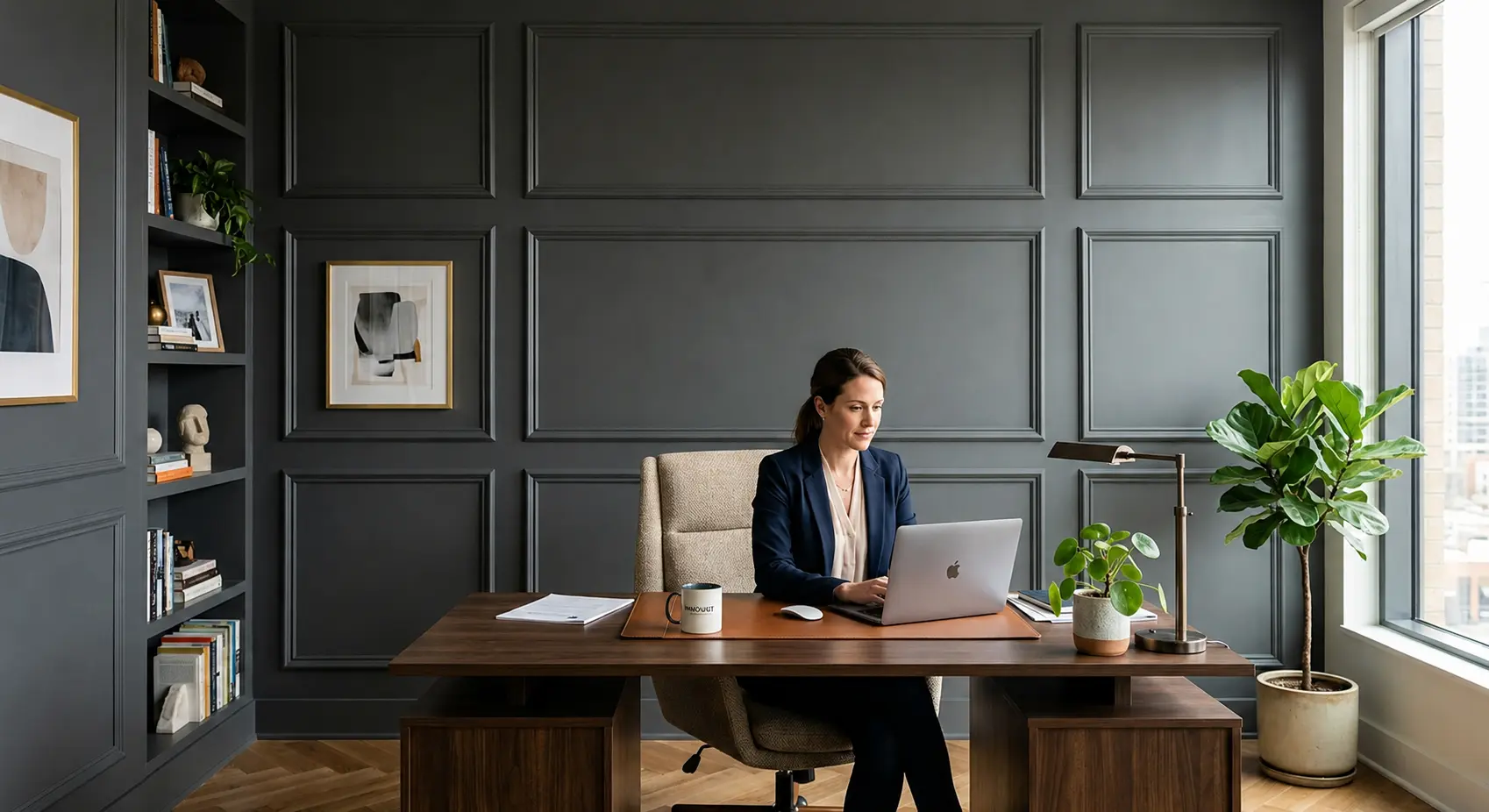
The future of interior design is no longer about choosing colors, materials, and furniture alone — it’s about creating intelligent, sustainable, and emotional spaces that evolve with human needs. As innovation and technology redefine every part of our lives, interiors too are transforming into dynamic experiences. From smart homes that adapt to your mood, to sustainable offices that breathe life into workspaces, the new era of design is here — one that beautifully blends creativity, technology, and well-being.
The Rise of Intelligent Interiors
Technology has become the new design partner. Future interiors are embracing AI, IoT, and automation to create responsive environments. Imagine walking into a room that automatically adjusts the temperature, lighting, and music based on your preferences. AI-assisted design tools now analyze space, lighting, and user behavior to craft interiors that are not just beautiful but also deeply personal.
Smart mirrors, touchless appliances, and integrated lighting systems are becoming the new normal. These technologies not only enhance comfort but also ensure energy efficiency and resource optimization. The interiors of tomorrow will be designed to think, feel, and adapt — transforming how we experience everyday living.
Sustainability as the Soul of Design
The future of interior design is undeniably green. Designers and architects are rethinking every element — from materials to layouts — to minimize environmental impact. Sustainable design is not just a trend; it’s a necessity.
Expect to see interiors built from recycled materials, bamboo, reclaimed wood, natural stone, and organic fabrics. Energy-saving lighting, solar panels, and water-efficient systems will become integral parts of design planning. Green walls and indoor plants will reintroduce nature into built spaces, improving air quality and mental health.
The philosophy is simple — a sustainable space is a responsible space. Future design practices will be defined by a deep respect for the environment, balancing aesthetics with accountability.
Human-Centered Spaces
At the core of every great design is emotion. The next generation of interiors focuses on how spaces make people feel. Designers are moving beyond visual beauty to create rooms that enhance mood, focus, and comfort. This is known as human-centered or wellness design.
Colors, textures, and lighting are being chosen based on psychological impact. Warm tones bring calmness, while natural light boosts positivity and productivity. Soft furnishings, ergonomic furniture, and flexible layouts ensure both relaxation and efficiency.
Homes will feel more like sanctuaries, while workplaces will become creative zones that nurture collaboration. The future designer’s mission is to create spaces that heal, inspire, and empower.
Blurring the Lines Between Home and Work
The rise of remote work has redefined interior priorities. Homes are no longer just living spaces — they are becoming multi-functional environments. A single area might now serve as a workspace, fitness zone, and entertainment hub. The future of interior design embraces this flexibility.
Modular furniture, sliding partitions, and transformable layouts allow people to adapt their spaces instantly. Work-from-home setups will be seamlessly integrated into living areas without compromising aesthetics. Designers are creating hybrid interiors — where comfort meets productivity.
Even offices are evolving. Corporate interiors are being redesigned to feel more like home — cozy, collaborative, and inspiring. This fusion of personal and professional comfort is shaping a new lifestyle of balance and creativity.
The Role of Art and Personal Expression
As automation and minimalism dominate, personal expression will stand out as a key design element. Future interiors will celebrate individuality through art, craftsmanship, and storytelling. Every object will carry meaning, every wall will reflect personality.
From hand-painted murals to digital art projections, spaces will blend modern technology with human creativity. Designers will collaborate with local artisans, merging traditional craftsmanship with contemporary aesthetics. The result — interiors that feel authentic, emotional, and alive.
People will no longer want homes that look perfect; they’ll want homes that feel theirs.
Digital Visualization and Virtual Design
Technology is not only changing spaces — it’s transforming how they’re created. The future of interior design will rely heavily on virtual reality (VR) and augmented reality (AR). These tools allow designers and clients to visualize spaces in 3D before a single nail is placed.
This digital approach saves time, reduces waste, and enhances collaboration. Clients can “walk through” their new homes virtually, experimenting with colors, layouts, and textures instantly. The design process becomes more engaging, efficient, and enjoyable.
AR tools will soon become as common as measuring tape — helping homeowners visualize how every element fits perfectly before they commit.
The Emotional Power of Minimalism
Minimalism isn’t fading away; it’s evolving. The future of design focuses on mindful minimalism — creating simplicity that supports peace of mind. Clutter-free environments, natural materials, and soft lighting combine to form calming spaces that reduce stress.
The idea is not just to remove excess but to make room for meaning. A minimal home doesn’t feel empty; it feels alive with intention. This philosophy of “less but better” will guide future interiors, encouraging people to live more consciously.
Conclusion: The Future Feels Human
The future of interior design is not just smart or sustainable — it’s human. It’s about creating spaces that respond to emotion, celebrate individuality, and support the rhythm of modern life. As innovation accelerates, one thing remains timeless: our need for beauty, comfort, and connection.
From eco-smart materials to emotionally intelligent spaces, the future is calling — and it’s beautifully designed.
The future of interior design isn’t about decorating spaces. It’s about designing experiences that shape how we live, dream, and connect.